Protein comes up in almost every conversation about getting older, usually together with muscles. The official advice is simpler than the shelves of protein products suggest.
The advice
In 2021 the Health Council of the Netherlands set the protein norm for adults at 0.83 grams per kilogram of body weight per day. It looked specifically at people over 60 and found no convincing evidence that healthy older adults need more. The council did note that vulnerable or undernourished older people may benefit from more protein; for them, a doctor or dietitian is the right person to advise.
For a woman who weighs 70 kg, 0.83 g per kg comes to about 58 g of protein a day.
Where to find it
- Animal sources: meat, fish, eggs, milk, yoghurt and cheese.
- Plant sources: legumes such as lentils, beans and chickpeas, nuts, bread and other grain products.
Most people in the Netherlands reach the norm with their normal meals. If you eat little meat, fish, dairy or legumes, or if your appetite has become smaller, it is worth checking whether you get enough.
Why it matters
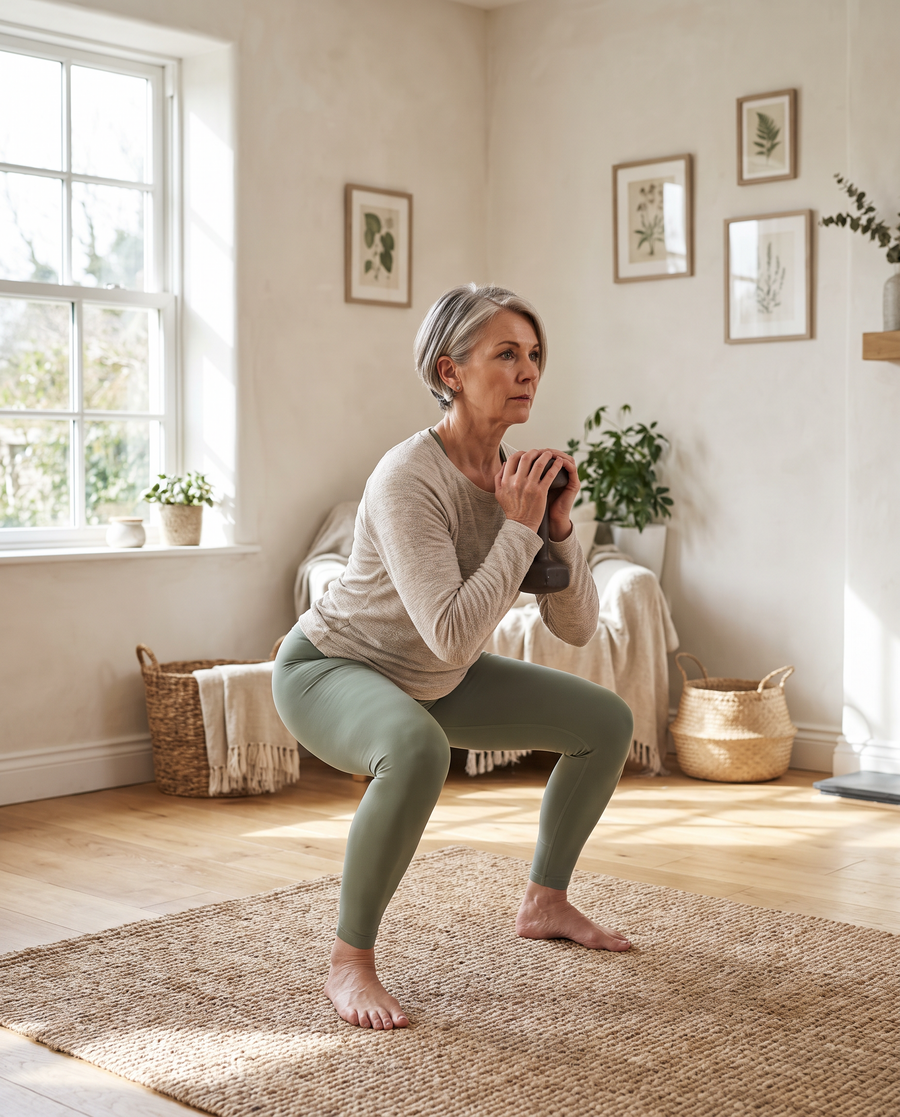
Protein contributes to the growth and maintenance of muscle mass, and to the maintenance of normal bones. Protein alone does not build muscle, though: muscles grow and stay strong when you use them. That is why protein and strength training belong together. Read Strength training after 45 for a simple way to start.
Sources
- Gezondheidsraad, Voedingsnormen voor eiwit (2 March 2021), as reported by Radar (AVROTROS).
- EU Register of nutrition and health claims (Regulation (EU) No 432/2012).